What Is Livestock Performance and Why Does It Matter?

Livestock performance describes how effectively animals grow, reproduce, remain healthy, and use available resources. It is not limited to weight gain or milk yield. A useful assessment also considers feed conversion, fertility, mortality, disease rates, mobility, and daily behavior.

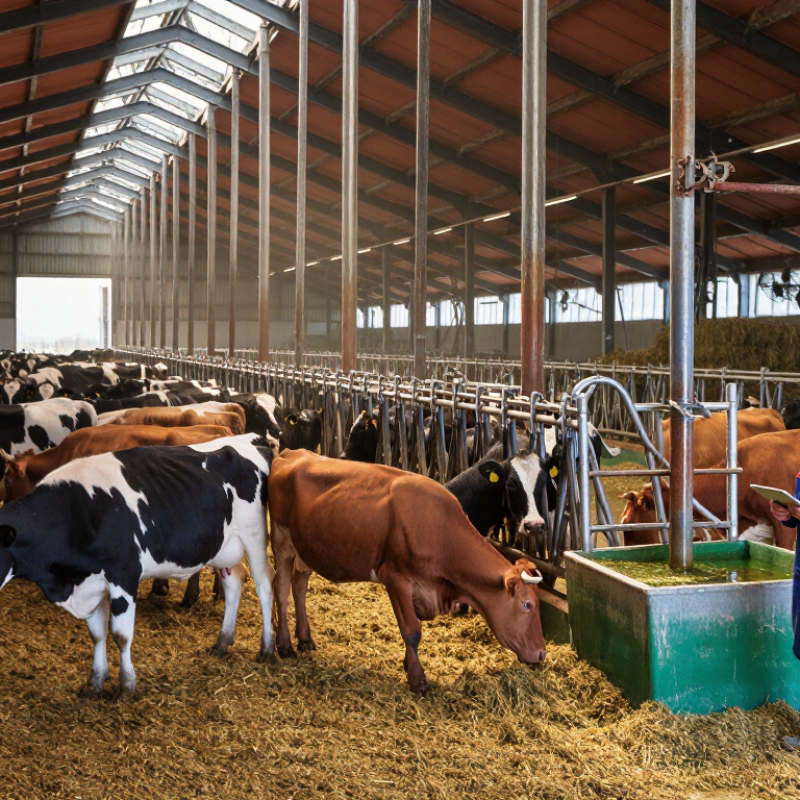
On a working farm, the evidence can look very ordinary. A full feed bunk, clean water trough, steady breathing, and animals rising without hesitation can reveal important trends. Digital records may show average daily gain, while a careful walk through the housing area reveals coughing, lameness, heat stress, or uneven body condition. These observations connect numbers with real animal experience.

Animal-science professor and welfare expert Temple Grandin offers a practical reminder: “You have to look at the animal and see what the animal is seeing.” Her statement matters because livestock performance can decline before a spreadsheet clearly explains why. A group may gain weight, yet show poor comfort or rising health risks. That is a warning, not a success story.

Good livestock performance combines productivity, welfare, management, and responsible resource use. It depends on accurate records, trained staff, suitable nutrition, preventive veterinary care, and humane handling. Still, no system is perfect. Weather changes, imperfect data, and individual animal differences can distort conclusions. We should question impressive results when the animals’ condition tells another story.

This article examines the measurements, management choices, and ethical judgments behind livestock performance. It asks a difficult but necessary question: are animals merely producing more, or are they performing well under conditions that support health and resilience?
What Is Livestock Performance and Why Does It Matter?

Defining Livestock Performance and Its Main Dimensions

Livestock performance describes how well animals grow, reproduce, remain healthy, and use available resources. It is not simply the heaviest animal in the pen. A practical assessment connects biological results with daily management. For example, a calf gaining 0.8 kilograms per day may appear successful, but poor appetite, repeated coughing, or frequent treatments reveal another story. Performance should be measured over time, not judged from one impressive week. Good records matter. However, farm records are often incomplete, weakening confident conclusions.

The main dimensions include growth, production, reproduction, health, welfare, and efficiency. Growth may involve body weight, muscle development, or mature size. Production can include milk yield, egg numbers, fiber output, or market weight. Reproductive measures include conception rate, age at first breeding, calving interval, litter size, and offspring survival. Health indicators include disease frequency, mortality, lameness, injuries, and body condition. Feed efficiency shows how much feed produces a kilogram of gain or a unit of milk. Water access matters too. Small changes can become expensive.

Welfare and resilience deserve equal attention. Animals that maintain condition during heat, transport, or feed changes may perform more reliably. A useful review compares animals of similar age, genetics, season, and diet. Otherwise, the numbers can mislead. I would not treat one score as truth. A strong animal may still have poor reproductive results, while a smaller animal may stay healthier and require fewer interventions. Field measurements, veterinary observations, and honest recordkeeping should be considered together. Imperfect data is still useful, but it needs careful interpretation.
Key Biological and Environmental Factors Affecting Animal Results

What Is Livestock Performance and Why Does It Matter?

Livestock performance is more than daily weight gain, milk yield, or egg numbers. It reflects biology interacting with the environment around each animal. Genetics sets potential, but nutrition, gut health, age, pregnancy, and disease determine actual results. Water comes first. A warm pen with limited airflow can reduce feeding, fertility, and growth before visible illness appears. Humidity makes heat harder to lose, especially for heavy animals and high-producing females. Feed quality matters too; mold, sudden ration changes, or poor fiber balance can disturb rumen function. In practice, producers should record intake, body condition, respiration, manure consistency, and lying behavior alongside production. Those details often explain weak results better than a single monthly average.

The FAO’s 2023 Pathways report estimated livestock agrifood systems produced 6.2 billion tonnes of CO2e in 2015. That represented about 12% of human-caused emissions. The report identifies feed production, enteric fermentation, and manure as major emission sources. The IPCC Sixth Assessment Report links rising heat extremes with animal stress, lower productivity, and greater disease risk. These findings connect animal results with climate exposure, not just farm management. Our measurements are imperfect. Sensors may miss shade-seeking behavior, and one blood value cannot describe a herd. Comparisons should include previous condition, local weather, and feeding history. A high yield may still hide declining fertility or exhausted body reserves during prolonged heat.

What Is Livestock Performance and Why Does It Matter?

Livestock performance reflects how efficiently animals convert feed, water, genetics, and management into growth, reproduction, milk, meat, or eggs. Heat stress is a major environmental factor because rising temperature and humidity can reduce feed intake and productive output.

Chart: Approximate reduction in dry matter intake as the temperature-humidity index (THI) rises in cattle. The THI ranges are widely used indicators of increasing heat-load risk, while the intake reductions represent practical benchmark estimates rather than universal fixed values.

Methods for Measuring Growth, Health, Reproduction, and Production

What Is Livestock Performance and Why Does It Matter?

Methods for Measuring Growth, Health, Reproduction, and Production

Livestock performance describes how animals grow, remain healthy, reproduce, and produce food. Good measurement begins with consistent records. Weigh calves at birth, weaning, and sale. Calculate average daily gain from these dates. Record body condition scores using the same trained observer. Small scoring differences can distort results.

Health records should include illness cases, treatment frequency, mortality, lameness, and injury rates. Temperature, breathing effort, manure consistency, and feeding behavior can reveal early problems. Reproductive measures include conception rate, age at first breeding, calving interval, litter size, and stillbirths. Production data may cover milk yield, egg numbers, feed conversion, or carcass weight. Measure inputs, too. Feed cost and labor often explain weak results better than output alone.

The FAO’s 2023 livestock emissions assessment estimated that livestock agrifood systems produced about 6.2 gigatonnes of carbon dioxide equivalent, nearly 12% of human-caused emissions. Better feed conversion and lower mortality can improve both efficiency and resource use. The OECD-FAO Agricultural Outlook 2024–2033 projects global meat production to increase by about 12% by 2033. That pressure makes reliable performance records more important.

A spreadsheet can still mislead. Unequal weighing times, missing treatments, or changing feed can create false progress. I would review trends monthly, compare animals under similar conditions, and investigate unusual results before changing management. Clean data is useful. Honest data is better.

How Nutrition and Farm Management Improve Livestock Performance

What Is Livestock Performance and Why Does It Matter?

Livestock performance includes growth, milk yield, fertility, health, feed efficiency, and survival. Nutrition strongly influences each measure. A ration should match the animal’s age, weight, production stage, and environment. For example, a growing calf needs balanced protein, energy, minerals, and clean water. Small deficiencies may appear as slow growth or dull coats before disease becomes visible. Feed quality matters too. Moldy silage can reduce intake and disrupt digestion.

The Food and Agriculture Organization reported that livestock agrifood systems produced about 6.2 gigatonnes of carbon dioxide equivalent in 2015, nearly 12% of human-caused emissions. Better feed conversion can reduce resource use per kilogram of milk or meat. Yet efficiency is not only a feed issue. Poor ventilation, wet bedding, overcrowding, and delayed treatment can erase nutritional gains. Farm records help reveal these losses. Track daily feed intake, body weight, mortality, litter size, milk yield, and veterinary events. Keep measurements consistent.

Management details become practical in the barn. Observe animals during feeding, not only during inspections. Check water flow at the start and end of the day. Adjust rations gradually. Sudden changes can cause digestive problems. USDA agricultural surveys also show that farm outcomes vary widely by herd size, region, and management practice. That variation deserves attention. A perfect target may not fit every farm. Even experienced producers misread a quiet warning. One missed weak animal can become a group-level problem.

What Is Livestock Performance and Why Does It Matter? - How Nutrition and Farm Management Improve Livestock Performance

Performance Dimension Animal Category Typical Reference Range Main Nutrition Factors Farm Management Practices How It Is Measured
Average daily gain Growing beef cattle Approximately 0.8–1.5 kg per day under intensive growing conditions Adequate energy, effective protein supply, fiber balance, minerals, and clean water Consistent feeding times, low-stress handling, sufficient bunk space, and regular weighing Change in body weight divided by days on feed
Feed conversion ratio Broiler chickens About 1.5–1.8 kg of feed per kg of live-weight gain in well-managed flocks Digestible amino acids, energy density, feed particle quality, and balanced minerals Temperature control, good ventilation, dry litter, feeder adjustment, and prevention of feed wastage Total feed consumed divided by total live-weight gain
Feed conversion ratio Growing-finishing pigs Approximately 2.5–3.0 kg of feed per kg of live-weight gain Energy-to-amino-acid ratio, digestibility, phosphorus, calcium, and water availability Ventilation, temperature management, stocking density control, and feeder calibration Feed intake divided by live-weight gain over a defined production period
Milk production Lactating dairy cattle Common commercial range: about 20–35 kg of milk per cow per day, depending on breed and stage of lactation Sufficient metabolizable energy, high-quality forage, protein, fiber, minerals, and sodium Comfortable resting areas, heat-abatement measures, clean water, and consistent milking routines Daily milk yield, milk components, body-condition score, and health records
Body-condition score Beef and dairy cattle Usually maintained near the middle of the relevant 1–5 scoring scale; target varies by production stage Energy balance, forage quality, dry-matter intake, and transition-period nutrition Separate groups by age or production stage, monitor appetite, and adjust rations gradually Visual and hands-on scoring of fat reserves at regular production milestones
Reproductive performance Breeding cattle Calving interval is commonly targeted near 12–14 months in managed beef and dairy herds Adequate energy, protein, trace minerals, vitamins, and avoidance of excessive weight loss Heat detection, reproductive examinations, disease prevention, and appropriate breeding records Pregnancy rate, conception rate, days open, calving interval, and services per conception
Water intake and access Lactating cattle Often approximately 60–120 liters per cow per day, with higher demand during hot weather and peak lactation Clean, palatable water; sufficient dietary sodium; and feed moisture balance Multiple accessible troughs, adequate flow rate, daily cleaning, and protection from contamination Water availability, trough cleanliness, flow rate, and estimated daily consumption
Mortality and morbidity All livestock categories Lower rates indicate better health management; acceptable levels depend on species, age, housing, and disease pressure Balanced diets, adequate colostrum for newborns, proper mineral supply, and feed hygiene Vaccination, quarantine, biosecurity, ventilation, hygiene, and prompt treatment protocols Deaths and clinical disease cases divided by the number of animals at risk
Labor and resource efficiency Commercial livestock operations Improves when output rises without proportional increases in feed, water, labor, or treatment costs Accurate ration formulation, low feed shrinkage, suitable forage preservation, and reduced nutrient losses Standard operating procedures, preventive maintenance, digital records, and routine benchmarking Cost per unit of gain, milk, eggs, or saleable product; labor hours per animal or production unit
Interpretation note: These are practical reference ranges rather than universal targets. Actual livestock performance varies with genetics, age, sex, climate, housing, disease status, feed quality, and the measurement method used.

Why Livestock Performance Matters for Farms and Food Systems

Livestock performance describes how effectively animals grow, reproduce, stay healthy, and use feed. It directly shapes farm income and daily workload. A healthy animal usually reaches market weight more efficiently, needs fewer treatments, and wastes less feed. That affects production costs before products ever reach a shop or kitchen.

On working farms, small details often reveal performance problems. Uneven body condition, slow growth, or repeated illness can signal poor nutrition, heat stress, or weak housing conditions. Farmers may track weight gain, calving rates, mortality, feed intake, and veterinary records. These measurements support practical decisions, but numbers need context. A lower growth rate may reflect a deliberate welfare choice rather than poor management. The figures are useful, but never complete.

Livestock performance also matters beyond individual farms. Efficient animals can help produce more food from limited land, water, and feed. Better health may reduce losses and improve the consistency of milk, meat, or eggs entering the food system. Still, efficiency should not become the only target. Pushing animals too hard can increase health risks, labor demands, and environmental pressure. A farm may appear productive while quietly exhausting its soil or staff. Reliable assessment must include animal welfare, resource use, product quality, and long-term resilience. That broader view is harder to measure. It is also more honest.