Improving cattle growth begins with a balanced, consistent feeding plan—not simply adding more grain. Cattle nutrition should match each animal’s age, weight, health, and production stage. A growing calf has different needs from a mature cow, and a ration that works on one farm may not suit another. Good decisions start with useful evidence: forage analysis, reliable weight records, and close observation of the herd.
The details are visible in daily routines. Check that troughs stay clean, water remains available, and feed is not spoiled or unusually dusty. Watch how cattle approach the bunk, whether dominant animals push others aside, and how body condition changes over several weeks. Adequate energy and protein support growth, while minerals and vitamins help maintain normal body functions. But adding supplements without identifying a gap can waste money and may create imbalances. Small details matter.
Growth takes time. Review weight trends alongside feed intake and manure consistency, then adjust the ration gradually with a qualified livestock nutritionist or veterinarian. Sudden changes can disrupt digestion, and growth figures alone do not explain every problem. Heat, parasites, illness, poor-quality forage, and competition for feed may all affect performance. Even a careful plan can miss something; I would not assume that a slow-growing animal needs more concentrate before checking its health and access to feed. Consistent records and practical observation make cattle nutrition decisions more dependable, while leaving room to reassess when results differ from expectations.
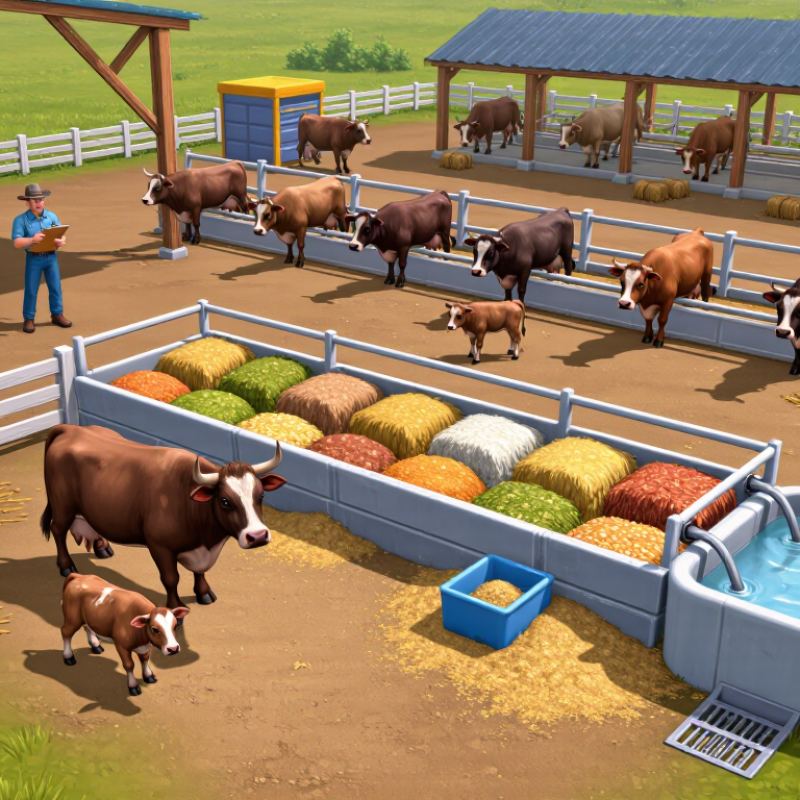
Cattle do not need the same ration throughout life. A young calf needs nutrient-dense feed to support rapid growth, while a mature animal’s needs depend more on body condition, pregnancy, and milk production. Age is a useful starting point, not a complete guide. Weigh calves regularly and compare their growth with targets suited to their breed and farm conditions. Even a simple monthly record can reveal a slowing trend before it becomes obvious.
Weight alone does not tell the whole story. Check body condition, appetite, manure, and access to clean water, then consider the animal’s growth stage. Growing heifers need enough energy and protein for steady development, but excessive feeding can lead to unwanted fat. Forage quality also changes what a ration should provide. A forage analysis is more dependable than judging hay by color alone. Small changes matter. Visual body scoring can be inconsistent, and missing weights make patterns harder to spot. Review records with a veterinarian or qualified cattle nutrition professional, especially when growth stalls or animals enter breeding or late pregnancy. Adjust feed gradually, and monitor how the cattle respond.

A sound cattle ration starts with energy, but the right level depends on age, weight, forage quality, and growth goals. Energy usually comes from pasture, hay, or carefully measured grain. Check forage quality rather than judging hay by color alone; a forage analysis can reveal energy and protein levels. Protein supports muscle growth and rumen function, especially in young or rapidly growing cattle. Match supplemental protein to the forage and the animal’s needs. Too little can slow gains, while excess is costly and may unbalance the ration. Small changes matter.
Minerals and vitamins need equal attention. Calcium and phosphorus should be balanced, not simply added in large amounts. Provide salt and a suitable mineral mix, while checking what is already present in feed and water. Trace mineral needs vary by region, so local forage or soil information can help guide choices. Vitamins A, D, and E are important; green forage supplies vitamin A precursors, while stored feeds may provide less. Not always. Recheck the ration when seasons, feed sources, or growth rates change. Watch cattle closely: uneven growth, poor coats, or reduced appetite may signal a problem, but they are not a diagnosis. A livestock nutritionist or veterinarian can help interpret feed tests and adjust the ration safely.
Balance energy, protein, minerals, and vitamins for growing beef cattle.
Practical reference ranges for growing cattle diets are shown as a percentage of dry matter. Adequate energy supports growth, while protein supports tissue development. Balance calcium and phosphorus, and provide vitamin A (about 2,200 IU per kg of diet dry matter as a common reference). Requirements vary with animal size, growth rate, forage, and other feed ingredients; use feed analysis and professional guidance to set the ration.
How to Improve Cattle Nutrition for Better Growth?
Match forage and supplements to the animal’s production stage, not just the herd average. Growing calves need enough energy and protein to support steady weight gain; NASEM’s 2016 beef-cattle requirements calculate needs using factors such as body weight and target daily gain. Test pasture or hay for crude protein, energy, and fiber before choosing a supplement. Nebraska Extension guidance treats forage below roughly 7% crude protein as a warning that rumen function and intake may be affected. It is a screening point, not a universal ration rule.
For late-pregnant and lactating animals, forage quality matters because nutrient demand rises while intake may be limited. NASEM’s 2021 dairy-cattle report estimates intake using body weight, milk production, and days in milk, underscoring why one fixed mix may not suit every cow. Pair tested forage with a balanced mineral supplement, and adjust gradually. Watch body condition, manure, and growth; a feed plan can look sound on paper yet miss what changing pasture delivers. Small details matter.
Tips: Weigh a sample bale and send it for laboratory analysis. Compare results with stage-specific needs before adding protein or energy. Check water access, too. Keep brief notes on feed changes and animal response; the pattern may take time to show.
How to Improve Cattle Nutrition for Better Growth?
Clean water supports feed intake, digestion, and normal body functions. Water matters every day. Check troughs at least daily for low levels, leaks, manure, algae, or leftover feed. A trough may look clean from a distance but still have a slippery film inside. Scrub it regularly and make sure every animal can reach it without crowding. In hot weather, cattle may drink more, so confirm that water flow keeps up with demand. In cold conditions, check for ice. Water access can be overlooked when feed is carefully measured.
Consistent feeding practices help cattle settle into a reliable routine. Offer feed at similar times each day, and keep the ration and feeding space as steady as practical. Sudden changes in feed ingredients or amounts can disrupt intake. Make changes gradually, with advice from a livestock nutritionist or veterinarian when needed. Watch the feed bunk after meals: leftover feed, sorting, or an unusual drop in appetite may signal a problem. Small details count. Still, a tidy schedule cannot fix every issue; heat, illness, and competition can also affect growth. Keep simple notes on feed offered, water conditions, and animal behavior, then review them when patterns change.
| Nutrition Dimension | Practical Target or Practice | What to Monitor | Why It Supports Growth |
|---|---|---|---|
| Clean drinking water | Provide continuous access to fresh, palatable water. Clean troughs regularly and check that water is flowing and accessible. | Water clarity, odor, trough cleanliness, flow, and signs of restricted access. | Water supports digestion, nutrient transport, and temperature regulation. Inadequate water can reduce feed intake. |
| Daily water needs | Expect needs to vary with body size, diet, activity, and weather. As a general guide, a 500-lb growing animal may drink about 6–12 gallons per day, while a 1,000-lb animal may drink about 10–20 gallons; hot conditions can increase demand. | Changes in water use, weather, animal size, and the moisture content of the diet. | Recognizing normal variation helps identify potential water-supply problems early. |
| Consistent feeding schedule | Offer feed at regular times each day and keep the routine as consistent as practical. | Feeding times, feed availability, refusals, and changes in eating behavior. | A predictable routine helps maintain steady access to nutrients and makes disruptions easier to spot. |
| Ration consistency | Keep the ration and ingredient proportions consistent. When a change is necessary, introduce it gradually under appropriate management guidance. | Ingredient changes, mixing accuracy, feed sorting, and manure consistency. | Gradual transitions help cattle adapt to changes in diet and support stable rumen function. |
| Feed access | Provide enough bunk or feeding space for the group and ensure feed is within easy reach. Avoid extended periods without feed. | Crowding, aggressive competition, empty bunks, and whether all animals can eat. | Even access reduces the chance that some cattle consistently consume less than others. |
| Feed quality and storage | Store feed in a dry, protected area and discard visibly spoiled or contaminated feed. Use a balanced ration suited to the animals’ age and production stage. | Mold, unusual odors, moisture damage, and changes in ingredient quality. | Good-quality feed helps provide dependable nutrients and reduces avoidable intake problems. |
| Growth and health checks | Track body weight or growth at regular intervals when practical, and review the ration with a qualified nutritionist or veterinarian if growth is below expectations. | Weight trends, body condition, appetite, and signs of illness. | Regular checks help distinguish nutrition or water issues from health and management concerns. |
Track each group by age, starting weight, and body condition. Weigh cattle every two to four weeks, using the same scale and similar handling conditions. Calculate average daily gain, not just total weight change. A few slow gainers can disappear inside a group average. NASEM’s 2016 Nutrient Requirements of Beef Cattle estimates dry-matter intake using factors such as body weight and diet energy. For many growing cattle, a practical starting estimate is about 2–3% of body weight daily; check it against actual feed intake and growth.
Adjust rations as cattle develop. As body weight rises, nutrient needs and feed intake change, so review the ration with a qualified livestock nutritionist. Test forage rather than guessing from its color or texture. Record refusals, water access, weather, and health changes beside weight data; each can explain a stall. Make ration changes gradually, then watch appetite, manure consistency, and gain. The records will not explain everything. That is worth admitting.
Tips: Keep a simple weekly log of feed offered, leftovers, and visible health concerns. Compare animals within similar weight and age groups. If gains fall unexpectedly, recheck the scale, forage analysis, water supply, and ration before adding more concentrate.