What Is Livestock Performance and How Is It Measured?
Livestock performance describes how effectively animals grow, reproduce, stay healthy, and produce food or other useful outputs. It is not a single score. A sound assessment combines production records with evidence about animal welfare and farm conditions. Temple Grandin, an animal scientist known for her work in livestock behavior and handling, has said, “I think using animals for food is an ethical thing to do, but we’ve got to do it right.” Her words offer a useful reminder: output matters, but so does how animals are cared for.
The measures depend on the species and production goal. Beef producers may track daily weight gain, feed conversion, and carcass quality. Dairy farms often record milk yield, fertility, and cases of lameness or illness. Poultry operations may monitor growth, feed use, mortality, and flock uniformity. A feed log beside a set of weigh scales can reveal changes that memory alone might miss. So can a simple health check.
Numbers need context. Breed, age, feed quality, weather, housing, and disease pressure can all affect results. A heavier animal is not automatically a better-performing one if health or welfare is poor. No metric tells the whole story. Records may also be incomplete, or collected inconsistently; that weakness deserves attention, not concealment. This article explains the main indicators, how producers measure them, and how to interpret results carefully. The aim is practical: understand what the figures show, and what they leave out.
Meaning and Scope of Livestock Performance
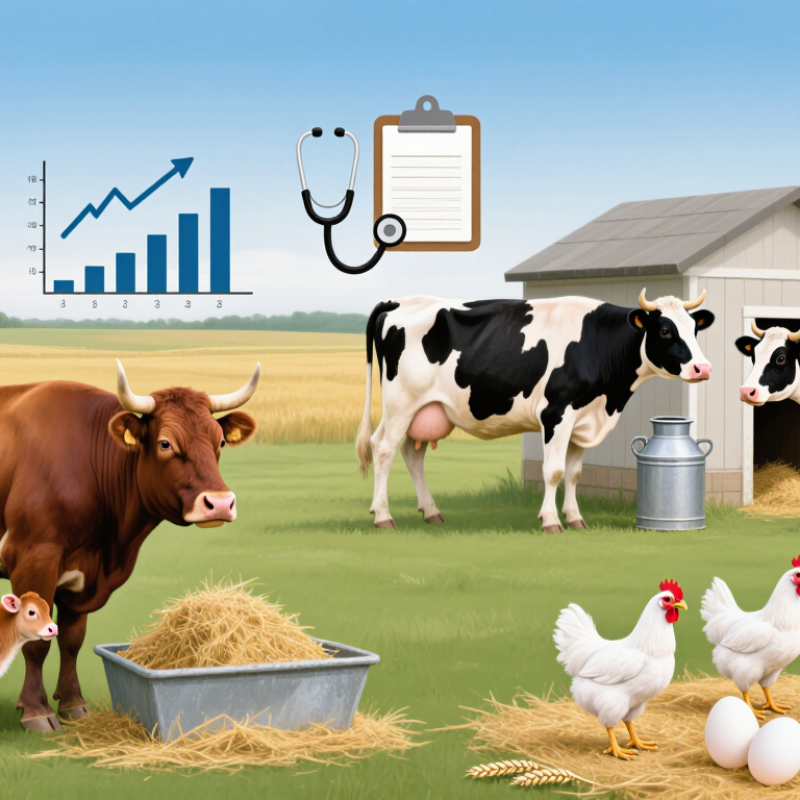
Livestock performance describes how animals grow, reproduce, stay healthy, and use feed within a particular production system. It is not one fixed score. Its meaning shifts with species, age, climate, and farming goals. A dairy herd might be assessed through milk yield and fertility. A beef operation may track growth, survival, and carcass traits. These figures describe outcomes, but not the entire system.
Not just weight.
The scope can also include feed conversion, disease frequency, mortality, reproductive intervals, and seasonal consistency. Farm records, scales, milk meters, and veterinary observations provide useful evidence, though every measure has limits. Rapid weight gain may look favorable while poor hoof condition or recurring illness goes unnoticed. Context matters. Comparisons work best when animals have similar breeds, diets, housing, and measurement periods. Welfare and resource use can also shape performance, since output alone may hide strain on animals or land. Records are rarely perfect: missed entries, weather changes, and small groups can distort an apparent trend. A tidy chart deserves a second look.
Key Measures of Animal Growth, Health, and Productivity
Livestock performance is not a single score. It combines growth, health, and useful output over time. Growth can be measured through daily weight gain: the change in bodyweight divided by days between weigh-ins. Feed conversion adds another view, comparing feed consumed with weight gained. A scale, dated records, and consistent weighing conditions make these figures more useful. Small shifts matter.
Productivity depends on the animal and production system. USDA NASS reported 226 billion pounds of U.S. milk production in its 2023 Milk Production report, averaging 24,117 pounds per cow. That figure is a national benchmark, not a target for every farm. Health measures help explain the numbers: track illness, treatments, deaths, lameness, and body condition alongside output. USDA’s National Animal Health Monitoring System surveys dairy health and management practices, offering context beyond production totals. A high yield can hide trouble. I still find a single performance score tempting, but it can miss sick animals or uneven growth. Compare animals of similar age and conditions, and interpret results with a veterinarian or livestock specialist.
Data Used to Assess Livestock Performance
Livestock performance is assessed through records showing how animals grow, reproduce, stay healthy, and use feed. Useful measures include liveweight at set ages, average daily gain, feed intake, feed conversion, pregnancy rates, litter size, milk yield, and mortality. Each figure answers a different question. A heavier animal is not automatically more efficient. For example, weekly weights from the same scale can show whether calves are gaining steadily or slowing after a diet change. Keep dates, animal IDs, and measurement methods consistent; otherwise, comparisons can mislead. Small errors matter.
Health and welfare records add context to production numbers. Track treatments, lameness, injuries, body condition, and days off feed alongside output. Log weather, housing, pasture quality, and ration changes, since they may explain sudden shifts. Compare animals in suitable groups, such as by age, sex, and production stage, rather than relying on one herd-wide average. It is tempting to treat a tidy spreadsheet as proof. It isn’t. Missing weights or delayed illness notes can distort a trend, while the cause may remain uncertain. Review records with a qualified veterinarian or livestock adviser, and check unusual results against direct observation. A quiet pen, clean water trough, or accurate scale reading may reveal what a dashboard misses.
Methods for Measuring Performance on Farms
What Is Livestock Performance and How Is It Measured?
Methods for Measuring Performance on Farms
Farm performance becomes useful when records show comparable rates over time. Track daily liveweight gain, feed conversion, milk per cow, eggs per hen, and reproductive outcomes such as weaning rate. Record births, treatments, deaths, and culls beside production figures. Otherwise, higher output may conceal health problems or costly animal losses. Weigh animals using the same scale and schedule. Small routines matter.
USDA’s National Agricultural Statistics Service reported 226.3 billion pounds of U.S. milk production in its 2023 Milk Production, Disposition, and Income report. This national figure provides context, not a target for an individual farm. Compare animals by age, breed, and production stage, and review results across consistent periods. No single measure tells the whole story; pasture changes can also make feed-intake records less precise.
Tips: Keep a weekly dashboard with clear units, such as kilograms gained per day. Note weather, feed changes, and grazing conditions beside unusual results. Check a sample of records against physical measurements. Keep units consistent. Use trends to guide questions, not to explain every difference automatically.
Measuring Livestock Performance: Average Daily Gain
Average daily gain (ADG) measures how much liveweight an animal gains per day. The figures shown are illustrative examples in kilograms per day, not universal benchmarks; results vary with breed, age, diet, health, and management. Farms commonly track ADG alongside feed intake, fertility, and mortality.
Factors That Influence Performance Results
Livestock performance depends on more than genetics. Feed quality, water access, health, housing, and daily handling all affect growth, milk yield, egg production, or reproductive outcomes. A ration that looks adequate on paper may not meet animals’ needs if feed is spoiled or water troughs run low. Small details matter.
Weather can shift results quickly. Heat may reduce feed intake, while cold conditions can increase energy needs. Crowding, poor ventilation, and slippery floors can also cause stress or injury. Even routine changes, such as moving animals between pens, may temporarily alter feeding behavior. The effect varies by species, age, and production stage, so comparisons need context.
Measurement practices matter too. Weigh animals at consistent times and use the same equipment when possible. Record health treatments, feed changes, and environmental conditions alongside production figures. Otherwise, a sudden drop may look like a genetic problem when illness or heat stress played a role. Data can help, but it is not perfect; missed observations and uneven record keeping are common. I would be cautious about judging a herd from one unusually strong week.