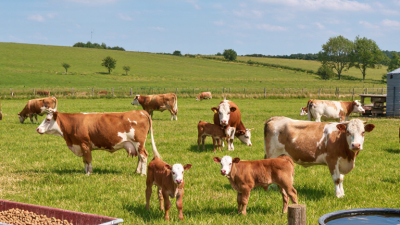
Choosing among China’s leading cattle performance brands is not a simple name-check exercise. Buyers need to connect measurable results with the conditions on their own farms. A brand’s value may depend on feed conversion, average daily gain, carcass traits, health support, and the consistency of its data. Small details matter: how cattle respond to a ration change, whether weights are recorded regularly, and how clearly a supplier explains its claims.
Animal-behavior scientist Temple Grandin has said, “Nature is cruel, but we don’t have to be.” That principle belongs in any serious discussion of cattle performance. Strong output should not be judged apart from handling, welfare, and reliable management. The brands considered in this guide are therefore evaluated through practical buyer questions, not marketing language alone. What evidence supports the stated results? Are the methods suitable for different herd sizes and local climates? Can the supplier provide clear technical guidance after purchase?
There is no perfect ranking. Results can shift with breed, feed quality, housing, and farm skill. A brand that performs well in one operation may disappoint in another. Buyers should compare documented outcomes, ask for specific product information, and treat unusually broad promises with care. This guide offers a grounded starting point for assessing cattle performance brands in China—not a substitute for checking the evidence on your own farm.
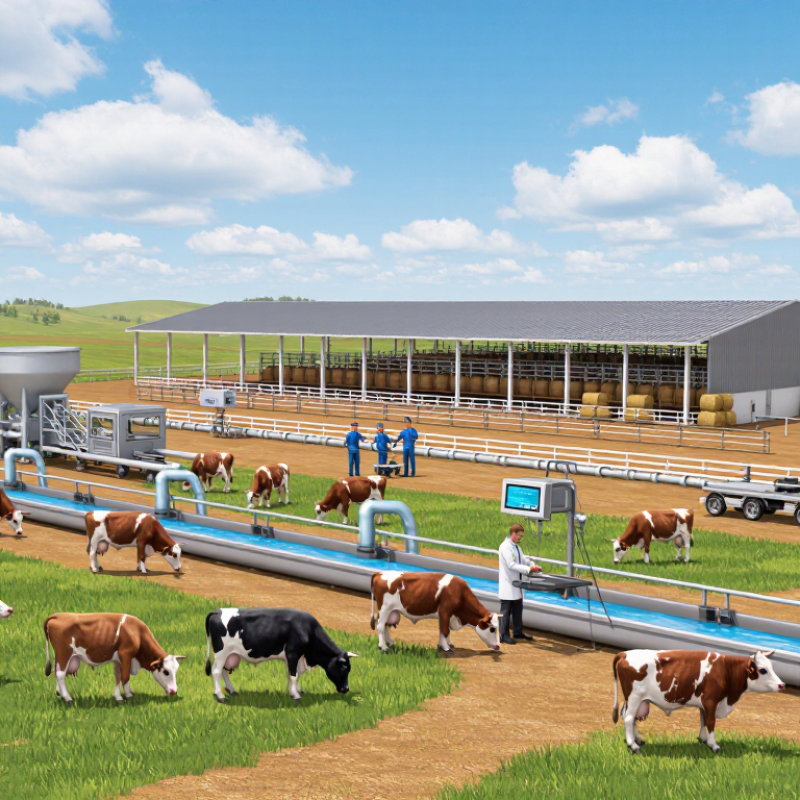
In China, a cattle performance brand should represent repeatable farm results, not polished packaging. For buyers, that means documented growth rates, calving intervals, feed conversion, health records, and carcass data. The figures matter at pen level. China’s National Bureau of Statistics reported 7.79 million tonnes of beef output in 2024, while China Customs recorded roughly 2.87 million tonnes of beef imports. These figures show a large, competitive market; they do not prove any particular breeding or feeding claim. A useful performance system links animal identification with weighing dates, ration changes, veterinary records, and slaughter feedback. No magic. Buyers should ask whether comparisons use the same breed, age, sex, season, and feeding conditions.
The USDA Foreign Agricultural Service’s 2024 China Livestock and Products report tracks supply, demand, and trade pressures shaping producer decisions. Against this background, performance labels may signal access to genetics, technical support, and consistent measurement. Yet a label alone proves little. Request sample records from several farms, not only showcase animals; check missing values and whether results persist across seasons. I would treat dramatic weight-gain claims cautiously unless starting weights, diet, and measurement periods are disclosed. That is less exciting, perhaps, but more useful for purchasing decisions. Some records will be incomplete. Check the basics. That uncertainty deserves attention, rather than a neat sales story.
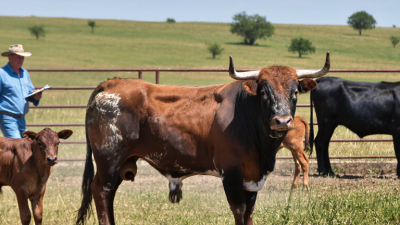
Choosing a cattle performance brand requires more than comparing growth figures. Ask how measurements were collected and whether animals were assessed under similar conditions. A heavier average may reflect feed, age, or management, not genetics alone. Numbers need context. Review records for traits relevant to your operation, such as birth weight, weaning weight, fertility, and calving ease. Check whether results come from multiple seasons and herds, rather than a small, unusually favorable group.
Look for clear definitions, documented methods, and access to supporting records. Reliable evaluations explain how data are adjusted for age, sex, and environment. Ask what independent verification is available, and whether the provider updates results when new information arrives. In practice, comparing two reports can be frustrating when each uses different scales. That is a real limitation, not a detail to overlook. Consider how the cattle perform in conditions resembling your pasture, climate, and feed plan. Ask about health documentation, expected mature size, and practical support after purchase. Avoid choosing on one impressive number.
Tips: Request sample performance records before making a decision. Compare like with like, and write down unanswered questions. If a claim sounds unusually precise, ask how it was measured and what uncertainty remains. A careful buyer may still need to revise expectations after seeing animals in person.
China’s cattle-performance market is best assessed through measured outcomes, not promotional claims. The National Bureau of Statistics of China reported 7.53 million tonnes of beef output in 2023, in its 2023 Statistical Communiqué. That scale makes reliable breeding and herd-management data commercially relevant. Yet “performance” can mean different things across farms.
For a useful top-ten comparison, buyers should examine calving ease, weaning weight, fertility, feed conversion, carcass traits, and health records. Request results from comparable herds, with breed, age, diet, and climate stated. A fast-growing animal in one feeding system may not repeat that result on a humid southern pasture. Independent testing matters. So does record completeness. A polished chart is not proof.
Tips: Ask for multi-year, farm-level records and clear measurement methods. Check whether figures include losses and treatment costs. Visit a working herd, inspect ear-tag records, and compare animals at similar ages. If only best-case figures are shared, pause. Rankings are useful shortcuts, but they can hide uneven data; even careful buyers may overvalue visible weight and overlook fertility or longevity.
China’s cattle performance suppliers differ less by headline claims than by the problems they solve. Some focus on weighing and handling equipment, such as platform scales, squeeze chutes, and electronic identification readers. Others provide breeding records, growth-monitoring tools, or farm-management software. These products serve different stages of production, so buyers should compare functions rather than assume all suppliers offer equivalent systems.
Service can be just as important as hardware. Ask about installation, staff training, spare-part availability, and response times in your region. A scale may look sturdy in a showroom but behave differently on a dusty farm with uneven flooring. Local technicians matter. Check whether software supports practical reporting and whether equipment can connect with tools already in use. For distant farms, delivery schedules and after-sales support may outweigh a small difference in purchase price.
Market focus also varies. Some suppliers target large commercial operations, where automation and data integration can save labor. Others suit smaller farms seeking straightforward equipment and manageable upkeep. Request a demonstration using realistic conditions, and review maintenance requirements before placing an order. A specification sheet cannot tell the whole story. Comparisons are not always perfectly tidy: product ranges change, and service quality can vary between regions. Treat broad performance claims cautiously, and ask for measurable details such as weighing accuracy, warranty terms, and expected repair times.
Choosing a cattle performance program starts with your operation, not a sales ranking. Ask whether you need easier calving, fertility, feed efficiency, growth, or carcass traits. Then compare those goals with your forage, labor, climate, and marketing channel. USDA’s 2022 Census of Agriculture counted about 87.2 million cattle and calves on U.S. farms and ranches, reflecting very different production settings. A trait that pays in a feedlot-focused system may matter less on a forage-based ranch. Check published performance records, including how measurements were collected, and compare animals within similar management groups.
Tips: Set three measurable goals before comparing providers. Review birth weight, weaning weight, fertility, and mature cow size against your own herd records. The 2022 National Beef Quality Audit reported average fed-cattle hot carcass weight of about 892 pounds. Treat that figure as market context, not a target for every herd. Ask how selection choices could affect feed needs and calving risk, too.
Visit a working operation when possible. Look at cows in the same season and condition as yours; glossy photos rarely show winter forage or labor demands. Request clear data, references, and realistic expectations. I would not assume a higher index guarantees better results. Records can be incomplete, and local conditions change outcomes. Start with a small group, track results through a full production cycle, and revise the plan when the numbers—or the cows—tell you something different.
Compare the traits commonly considered by cow-calf, stocker, and feedlot operations.
Scores use an illustrative 1–5 planning scale, where 5 indicates a higher priority. They are a practical comparison framework, not measured survey results or brand rankings. Adjust priorities for your climate, feed resources, facilities, and production goals.