How to Choose the Best Performance Cattle in 2026

Choosing performance cattle in 2026 means looking beyond a sale-day shine or a single impressive weight. The right animal must fit your herd’s goals, feed resources, climate, and market. A bull built for rapid growth may not suit a ranch where forage is limited. Small details matter: sound feet on uneven ground, a steady response in the pen, and calves that match your calving window. No score tells the whole story.

Animal scientist and livestock-handling expert Dr. Temple Grandin has said, “I think using animals for food is an ethical thing to do, but we have to do it right.” That principle belongs in selection, too. Review performance records and relevant expected progeny differences, but check how those numbers were collected. Compare animals within appropriate groups, and ask for verified information on birth weight, weaning weight, fertility, health, and structural soundness. A tidy data sheet cannot replace seeing cattle move.

There is no perfect animal. I can still be tempted by the biggest frame or the boldest sale description. That is worth questioning. For dependable performance cattle, weigh measurable traits against the demands of your operation, then examine the animal itself. Walk the pen. Watch it turn. Ask how its relatives performed under similar conditions. The best choice may look less dramatic, yet deliver calves that thrive, cows that stay productive, and fewer costly surprises.
How to Choose the Best Performance Cattle in 2026

Define Performance Goals and Select the Right Cattle Type

Choosing performance cattle begins with a measurable goal, not a breed label. Decide whether you need replacement females, efficient weaners, or animals suited to a specific carcass market. Then set practical targets for calving ease, growth, feed use, fertility, and mature size.

USDA-NASS reported 86.7 million cattle and calves in the United States on January 1, 2025, down 1% year over year. Its Cattle report also estimated the 2024 calf crop at 33.5 million, 1% below 2023. These figures describe a tightening national herd, not a guarantee of local prices.

That matters.

Match cattle type to your conditions. In hot, humid areas, prioritize heat tolerance and sound feet; on sparse pasture, avoid animals whose mature size demands more forage than you can provide. A terminal-cross animal may fit a growth or carcass goal, while maternal lines may better suit a herd retaining daughters.

Review records from your own pasture, too. Weaning weights, pregnancy rates, and veterinary costs can reveal problems that sale-ring appearance hides. Ask for credible performance records, and compare animals raised under similar conditions.

A high growth figure alone can mislead. Even experienced selectors can give too much weight to one season’s results; keep notes and reassess.

USDA-NASS, Cattle, January 31, 2025, provides useful national context, but local feed, climate, and marketing plans should guide the final choice.
Compare Genetics, Growth Records, and Expected Progeny Differences

Choosing performance cattle in 2026 means weighing genetic potential against evidence from the animal’s actual development. Pedigrees can reveal useful traits, but a strong family line does not guarantee that every calf will thrive. Ask for current, independently recorded information, and check that the animal’s identification matches its paperwork.

Growth records show what happened under specific conditions. Compare weaning and yearling weights only when ages, management, and measurement methods are similar. A calf raised on better pasture may outweigh a genetically superior animal raised through a difficult season. Look for steady gains, sound feet, and a body condition that fits the production system. Numbers matter, but so does the setting.

Expected Progeny Differences, or EPDs, estimate how an animal’s offspring may perform compared with those of other animals in the same evaluation. They are not guarantees. Check the evaluation date, breed-specific benchmarks, and accuracy values; low accuracy means more uncertainty. Match traits to your goals, such as calving ease for heifers or growth for a terminal program. Avoid selecting on one striking number alone. I have seen neat tables feel more certain than the cattle themselves. Walk the pen, ask how records were collected, and note anything that does not quite fit.

How to Choose the Best Performance Cattle in 2026

Compare genetics, growth records, and Expected Progeny Differences (EPDs).

This illustrative comparison shows EPDs in pounds, not actual animal records. EPDs estimate differences in the average performance of future progeny; they are not predictions of an individual animal’s weight. Review adjusted growth records alongside EPDs, and compare animals within the same breed and genetic evaluation. Higher weaning and yearling weight EPDs may indicate greater growth potential, while birth weight should be considered in relation to calving-ease goals.

Assess Health, Body Structure, Temperament, and Fertility

How to Choose the Best Performance Cattle in 2026
Assess Health, Body Structure, Temperament, and Fertility

A useful evaluation starts with the animal standing quietly, then walking on firm, level ground. Look for clear eyes, steady breathing, sound feet, and an even stride. Notice whether the animal rises and moves without stiffness. A glossy coat can be misleading. Check body condition, too; excessive thinness or fatness may hide problems or affect performance. A veterinarian can assess concerns that a visual inspection cannot resolve.

Body structure should match the animal’s intended role. Observe hoof shape, leg alignment, back strength, and how weight is carried through each step. Extreme muscling is not automatically an advantage if movement suffers. Temperament matters in daily handling: watch how cattle respond to people, gates, and brief separation. Calm behavior is useful, but one quiet moment proves little. Give the animal time to settle.

Fertility requires records, not guesswork. Review breeding and calving history, where available, and ask about reproductive examinations. For young animals, maturity and family records offer clues, not guarantees. Age, nutrition, disease, and management can all affect results. I have seen a promising frame distract evaluators from weak feet; that is an easy mistake to repeat. Compare several observations, and record what you actually see.

Match Cattle to Your Climate, Feed, and Management System

How to Choose the Best Performance Cattle in 2026

Match Cattle to Your Climate, Feed, and Management System

A high-growth animal is not automatically the best fit for your ranch. Match frame size, mature weight, and hair coat to local weather and available feed. In humid summers, cattle that tolerate heat and maintain intake may outperform larger animals that struggle at the bunk. In cold regions, winter wind and wet coats matter as much as the thermometer. Small details count.

The National Academies’ 2016 Nutrient Requirements of Beef Cattle estimates maintenance energy needs rise about 1% for each degree Fahrenheit below an animal’s lower critical temperature. Coat condition and wind affect that threshold. USDA NASS reported 87.2 million cattle and calves on U.S. farms on January 1, 2024, but that national figure conceals major differences in forage, heat, and production systems. Use local feed tests and actual herd records, not breed reputation alone.

Walk the pasture in late summer. Is forage still available, or are cattle reaching for bare stems? Compare calving ease, fertility, and weaning weights across several seasons, while noting labor and winter feed costs. A larger calf can look impressive, but only if the cow maintains body condition on your forage. I would revisit that assumption each year; one unusually wet season can mislead. That matters.

Choose cattle suited to your handling capacity, too: a sound animal that is calm through routine weighing is more useful than an impressive one you cannot manage safely.

Verify Documentation and Evaluate Each Animal Before Purchase

A strong performance record begins with documents that match the animal in front of you. Check its identification, birth date, pedigree, health history, and available growth or breeding records. Compare the identification number on each document with the animal’s tag. Small mismatches deserve an explanation, not a guess. Ask how measurements were collected and whether records cover the animal’s full history. A tidy folder is useful, but it does not prove every claim.

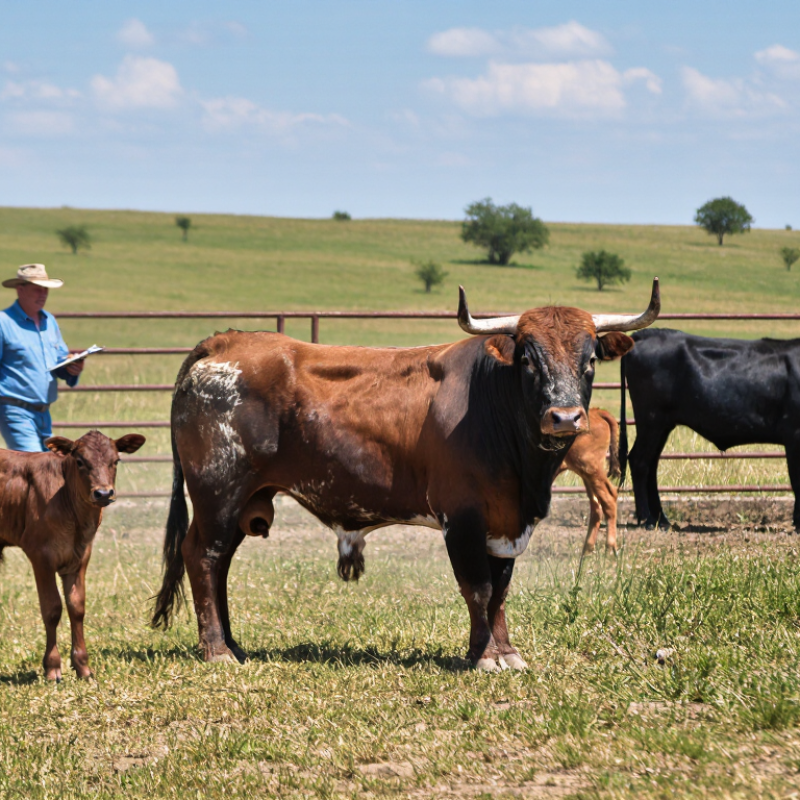
Then assess the animal in a calm, familiar setting. Watch it walk across firm, level ground; note stride, balance, and any stiffness. Look closely. Check feet, legs, body condition, and breathing, and observe how it reacts to ordinary handling. A performance figure cannot show you everything. Ask a qualified veterinarian to review health concerns before purchase, especially if records are incomplete. Temperament matters, too: an animal that is difficult to handle may require more time and care than expected.

Compare the animal’s build and condition with the work you need it to do, rather than choosing by one impressive number. Ask direct questions about feed, housing, recent weight changes, and reproductive history where relevant. Request copies of supporting records and take time to verify details with their source. I might still miss something on a first visit; a second look can reveal what a quick inspection did not. Keep notes on each animal, including uncertainties, before making an offer.