Why Is Goat Food Important for Healthy Goats?
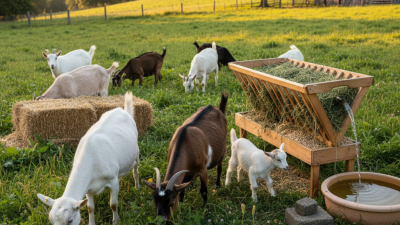
Healthy goats depend on more than a full trough. The right goat food supports growth, milk production, body condition, and steady energy. For most goats, good-quality forage—such as suitable pasture or hay—forms the foundation of the diet. Clean water must always be available. A goat that eats well but drinks too little may still struggle.
Needs change with age, health, pregnancy, and milk production. A growing kid does not have the same requirements as a mature, non-lactating goat. Goats may also need a mineral supplement formulated for their species and local conditions. More is not always better. Excess grain or an unsuitable mineral mix can cause problems, so feed labels and professional guidance matter. Small details matter.
Good feeding is practical, but it is not always simple. Hay that looks fresh may be dusty, and pasture quality can shift with the season. Owners can check body condition, appetite, manure, and access to feed each day. These signs offer useful clues, but they do not replace veterinary advice. When a goat loses weight, stops eating, or develops a sudden change in droppings, seek help from a veterinarian. A gradual diet change is generally safer than an abrupt switch. I may be oversimplifying this: each herd has its own conditions, and one feeding plan will not fit every farm. A thoughtful routine, informed by reliable sources and regular observation, gives goats a stronger chance to stay healthy.
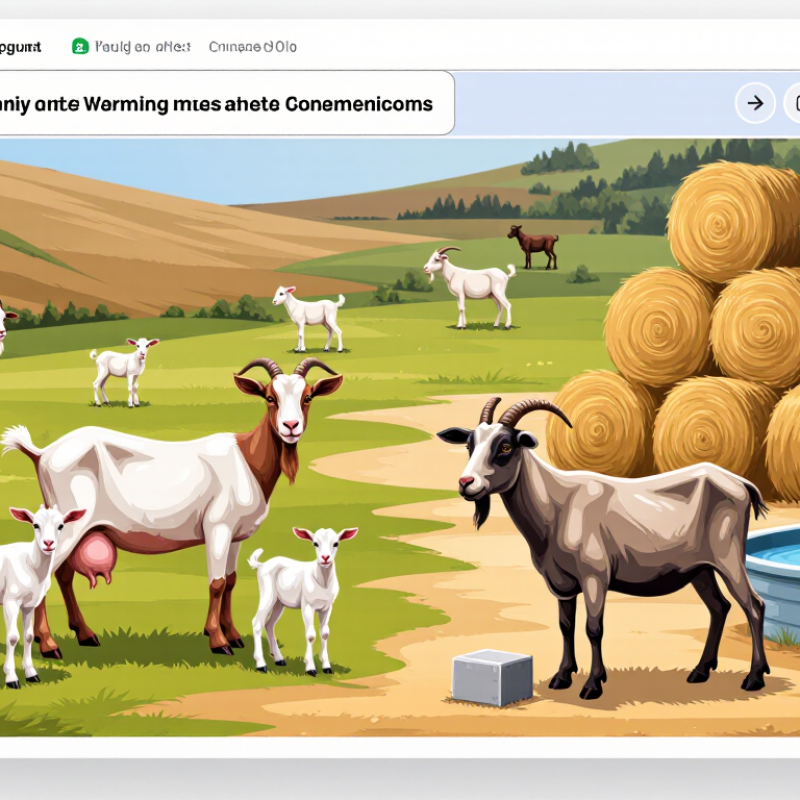
NRC (2007): Goats Commonly Consume Dry Matter Equal to 2–4% of Body Weight
A goat’s feed intake is not a fixed scoop size. The National Research Council (NRC, 2007) reports that goats commonly consume dry matter equal to 2–4% of body weight each day. For a 50-kilogram goat, that is roughly 1–2 kilograms of dry matter. Dry matter excludes water, so fresh forage weighs more. A leafy, moist bite can look substantial while supplying less dry matter than expected.
Small detail. Big difference.
The range is a guide, not a promise. Age, pregnancy, lactation, activity, feed quality, and weather can all change intake. A growing kid and a lactating doe do not have identical needs. NRC’s nutrient tables also distinguish life stages, which is why body weight alone cannot set a complete ration. Weighing feed and watching body condition offer useful checks. Look for uneaten stems, changing manure, or ribs becoming more visible. These clues matter, though they do not replace a nutrition review.
I would not assume a goat is eating enough just because the trough looks full. Some forage is too coarse, damp, or low in nutrients to meet needs efficiently. Record intake for several days, and ask a qualified livestock nutrition professional to assess major changes.
Sources: National Research Council, Nutrient Requirements of Small Ruminants (2007).
Forage and Effective Fiber: How Rumen Fermentation Supports Goat Health
Why Is Goat Food Important for Healthy Goats?
Forage and Effective Fiber: How Rumen Fermentation Supports Goat Health
Forage does more than fill a goat’s stomach. Hay, browse, and other suitable fibrous feeds encourage chewing and saliva production. Saliva helps buffer the rumen, where microbes ferment plant material and produce energy-rich fatty acids. This steady process supports digestion and everyday activity. It is easy to focus on grain, but forage quality and access deserve equal attention.
Effective fiber has enough length and structure to stimulate chewing. Very finely chopped feed may provide fiber on paper, yet offer less chewing stimulation. Watch goats during feeding: regular cud chewing is a useful sign, though it cannot diagnose health by itself. Sudden diet changes can upset rumen microbes, so introduce new feeds gradually. Clean water matters, too. Without it, normal digestion may suffer.
Tips: Offer clean, appropriate forage and check that it is not moldy or dusty. Notice changes in appetite, droppings, or cud chewing. Keep a simple feeding record; small changes are easy to overlook. If a goat stops eating or seems unwell, seek advice from a qualified veterinarian.
Dairy Goat Diets: The Common 12–16% Crude-Protein Range on a Dry-Matter Basis
Dairy goat diets commonly contain about 12–16% crude protein on a dry-matter basis. That is a useful reference range, not a fixed recipe. A high-producing doe, a growing kid, and a dry adult do not have identical needs. Milk yield, forage quality, body condition, and stage of lactation all matter. Small details count.
Dry matter means the feed after its water is excluded. A damp forage or silage can look plentiful while supplying less protein per kilogram than its label suggests. Compare feeds on the same basis before changing a ration. Good leafy hay may contribute more protein than mature, stemmy hay; a handful of grain cannot reliably correct poor forage. Watch the goats at the feeder: timid animals may get less than dominant ones. Check body condition and milk records, too, rather than judging by appetite alone. More protein is not automatically better, and an unbalanced ration can waste feed. I would be cautious about treating 12–16% as a target for every herd. For a precise ration, have a livestock nutrition professional review forage analysis, production level, and mineral supply.
Why Is Goat Food Important for Healthy Goats?
Crude protein in dairy goat diets commonly falls within a range of 12–16% of dry matter.
The bars mark the lower end, midpoint, and upper end of this common range. Actual protein needs vary with factors such as age, growth, pregnancy, and milk production; the range is general guidance, not an individual ration recommendation.
Mineral Balance: Why Goat Diets Commonly Target a 1.5–2:1 Calcium-to-Phosphorus Ratio
Calcium and phosphorus work together to support strong bones, muscle function, and normal growth. Goat diets commonly aim for a calcium-to-phosphorus ratio around 1.5–2:1. That means the ration contains roughly one and a half to twice as much calcium as phosphorus. The exact balance matters, especially for male goats, which can be prone to urinary stones when diets are unsuitable.
Feed ingredients can shift the ratio. Alfalfa and other legume hays often supply more calcium, while many grains contain relatively more phosphorus. A bucket of grain added “just to help” can quietly change the whole ration. Check feed labels, and consider the forage, mineral supplement, and treats together—not as separate choices. Small details count.
Still, a target ratio is not a guarantee of health. Water access, total mineral intake, age, and individual needs also matter. Keep clean water available, and ask a veterinarian or qualified livestock nutritionist to review the complete diet when adjusting feed. I find this easy to underestimate: a tidy number on a label cannot tell the whole story. Goats are individuals.
Clean Water and Gradual Feed Changes: Practical Steps to Prevent Nutrition Problems
Goats can sort through feed, but clean water is just as important as good hay. Check buckets or troughs every day, removing leaves, spilled feed, and manure. A thin film can hide in corners. Scrub containers regularly, then refill them with fresh water. In cold weather, make sure water has not frozen; in hot weather, check that animals can reach it throughout the day. Reduced drinking may affect feed intake, so watch for changes rather than assuming a goat is simply fussy.
Feed changes need patience. The microbes in a goat’s rumen adapt to its usual diet, and a sudden switch to richer pasture, grain, or a new hay can upset digestion. Introduce unfamiliar feed in small amounts over roughly one to two weeks, adjusting more slowly if the goat seems sensitive. Keep familiar forage available during the transition. Watch appetite and droppings closely. Small details matter.
Loose stool, a swollen-looking belly, or a goat that stops eating deserves prompt attention. These signs can have several causes, so avoid trying to diagnose them from feed alone. Note what changed and when, and contact a veterinarian if symptoms persist or worsen. I would not treat a gradual schedule as a guarantee; individual goats, especially young or unwell ones, may need a different plan.