Best Goat Food Options for Your Livestock in 2026?
As the demand for livestock continues to rise, the importance of selecting the best goat food cannot be overstated. According to the USDA, goat farming has seen a marked increase, with production growing by over 20% in the past five years. This statistic emphasizes the critical role that quality feed plays in ensuring healthy, productive herds. Goat food must not only meet nutritional needs but also contribute to overall herd health and well-being.
In 2026, the industry will likely witness evolving trends in goat feed formulations. Many nutritionists stress the need for a balanced diet rich in fiber, protein, and essential vitamins. Recent studies highlight that goats require a careful balance of forage and grain to optimize digestion and milk production. Nonetheless, finding the right goat food can be challenging for many farmers. They often face difficulties in sourcing quality ingredients, which can lead to variability in feed quality.
Furthermore, farmers must consider regional preferences and seasonal variations that affect feed availability. This dynamic landscape requires goat owners to stay informed about trends and emerging products. Reliable sources of information and guidance from professionals are essential for successful goat farming. By prioritizing high-quality goat food, producers can enhance their farm's productivity and sustainability in this thriving sector.
Best Nutritional Requirements for Goats: Key Vitamins and Minerals
When selecting the best food for your goats, focusing on their nutritional requirements is crucial. Goats need a balanced diet rich in key vitamins and minerals. Essential nutrients like calcium, phosphorus, and magnesium support growth and health. Vitamin A is vital for vision and reproduction, while Vitamin D helps with calcium absorption.
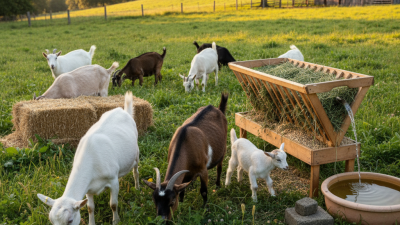
Tip: Always provide fresh hay and pasture. It adds fiber to their diet, which is important for digestion. Consider supplementing with mineral blocks. Goats often require additional minerals, depending on their diet and environment.
Goats are unique animals. Their needs can vary based on age, breeding, and health. Monitor their condition regularly. An occasional look at their coat, eyes, and overall energy levels can give insights into their nutritional state. Feeding practices may need adjustments based on these observations. Pay attention to how your goats react to different feed.
Top Forage Options for Goats: Nutrient Profiles and Benefits
When selecting forage options for goats, understanding nutrient profiles is crucial. Goats thrive on a balanced diet rich in fiber, protein, and essential minerals. Forage such as alfalfa hay provides a protein content of around 15-20%. This high protein level supports milk production and growth rates. According to the University of Vermont Extension, goats that consume adequate protein show improved overall health and productivity.
Grasses, particularly timothy and orchard grass, offer excellent fiber sources. They help maintain proper rumen function. Timothy grass has a crude fiber content of about 28%, essential for digestive health. The right balance of forage can prevent common health issues, such as acidosis. Some farmers face challenges with forage quality, leading to inadequate nutrition. Regular soil testing can help optimize nutrient availability.
Leguminous plants, like clover, also have remarkable benefits. They can fix nitrogen in the soil, improving overall pasture health. Nutrients from legumes provide goats with vital minerals. A diet lacking in these nutrients may lead to deficiencies and health problems. Goats require more than just shelter and water; careful forage selection is key to their success. Striving for an optimal forage mix requires constant adaptation.
Commercial Goat Feeds vs. Homemade Diets: Pros and Cons
Choosing the right diet for goats can be challenging. Both commercial feeds and homemade diets have unique pros and cons. Commercial goat feeds offer convenience, consistent nutrition, and often contain additives for health benefits. According to industry reports, around 70% of goat producers prefer commercial feeds due to their reliability. These feeds typically include balanced proteins, minerals, and vitamins essential for growth and milk production.
On the flip side, homemade diets can prioritize freshness and customization. Many farmers appreciate the ability to tailor ingredients based on their goats’ specific needs. However, this flexibility comes with a caveat. Homemade mixes may lack essential nutrients if not carefully formulated. A study found that 30% of homemade diets failed to meet all nutritional standards. This can lead to issues like poor growth or lower milk yield. Balancing cost, nutritional value, and the goats’ health is vital.
Farmers often report confusion with ingredient choices. High-quality forage, grains, and supplements should be monitored closely. With homemade diets, risk management becomes crucial. Potential deficiencies must be addressed regularly. Collecting feedback from your herd can provide insights into dietary effectiveness.
Impact of Different Feeding Strategies on Goat Health and Productivity
Goat health and productivity depend significantly on feeding strategies. Different diets can lead to varying results in growth rates and overall wellbeing. For instance, pasture-based feeding can enhance natural foraging instincts, which is crucial for mental stimulation. However, it may not always provide enough essential nutrients. This imbalance can lead to deficiencies and health issues over time.
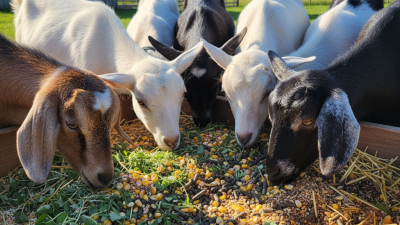
Supplementing forage with grains or pelleted feeds is another option. While this can improve energy intake, it is essential to monitor weight gain. Overfeeding grains can lead to obesity and related health concerns. Conversely, some herders prefer a mixed approach. This combination allows for flexibility, but it also requires a keen understanding of the goats' nutritional needs.
Observation plays a vital role in evaluating feeding strategies. Farmers should pay attention to coat quality, digestive health, and energy levels. If goats show signs of lethargy, it may indicate poor nutrition. Keeping detailed records can help identify patterns or issues. Reflection on past feeding practices can enhance future outcomes. Adapting strategies based on careful assessment will ultimately support better herd health and productivity.
Sustainable Goat Feeding Practices: Trends and Future Predictions for 2026
Sustainable feeding practices are gaining traction in goat farming. These practices aim to reduce waste and promote ecological balance. Farmers are experimenting with local forage, aiming for a diet rich in biodiversity. This not only benefits the goats but also enhances soil health.
Utilizing cover crops and legumes can improve pasture quality. These plants fix nitrogen into the soil and provide essential nutrients. However, many farmers struggle to find the right balance. Some may overlook the importance of rotating grazing areas to prevent overgrazing.
Education and community support are vital. Workshops and online forums can help farmers share experiences. Despite the challenges, the trend towards sustainability in goat farming holds promise. Future advancements may bring innovative solutions, but the journey requires ongoing commitment and adaptation.