Choosing an animal feeder starts with understanding the animal, the feed, and the place where feeding happens. A backyard bird station faces different challenges from a stable, poultry run, or aquarium. The best design should deliver food steadily, limit spills, and suit the animal’s size and feeding habits. Small details matter. A narrow opening can frustrate larger animals, while an exposed tray may leave feed damp after rain.
This guide introduces ten common feeder types, from gravity and trough models to automatic dispensers and hanging feeders. Each has practical trade-offs. A gravity feeder can reduce daily refilling, but its outlet may clog if the feed is dusty or damp. A trough is easy to inspect, yet crowded animals may scatter food onto the ground. Capacity, material, mounting, cleaning access, and protection from weather all deserve attention before purchase. Fit matters. Buyers should also consider how often they can refill and check the feeder, since even a well-designed unit needs routine care. Product claims can help narrow choices, but they do not replace checking dimensions, construction, and compatibility with the intended feed. There is no universal winner. The right choice depends on real conditions, and those can be messier than a product description suggests. The following overview offers a clear starting point for comparing options and choosing a feeder that works in everyday use.
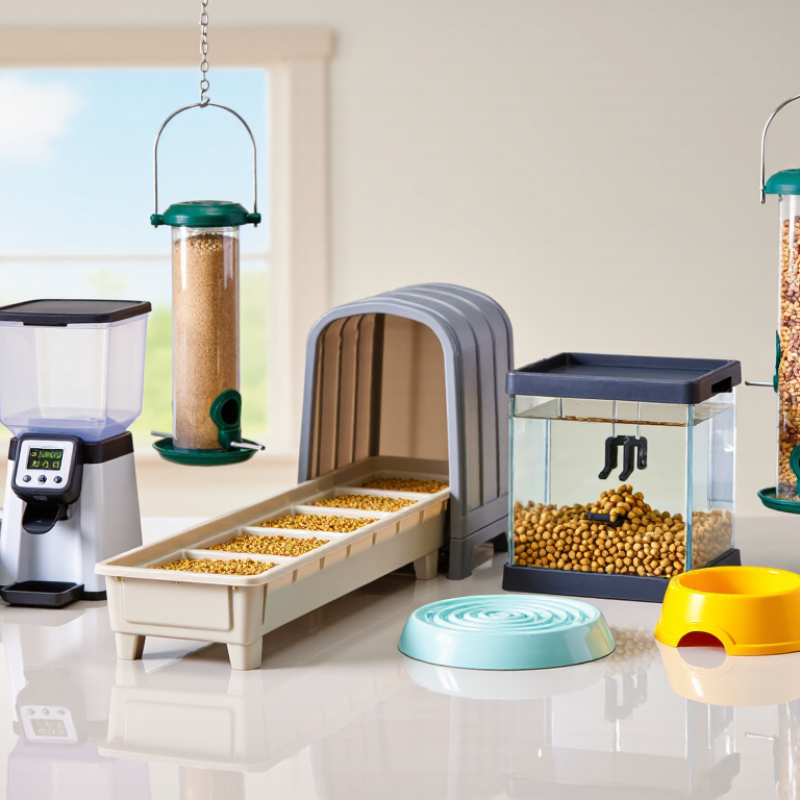
An animal feeder is a container or device that presents food in a controlled, reachable way. Its job is simple: keep feed accessible while reducing spills, contamination, and competition. Not every feeder does all three well. A bowl suits many indoor pets, while a slow-feeding design may help slow down fast eaters. The right choice depends on the animal’s size, habits, and diet—not appearance alone.
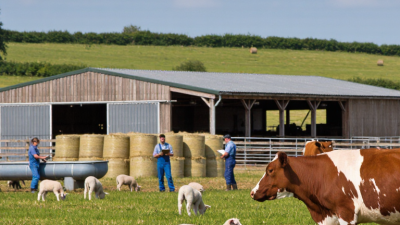
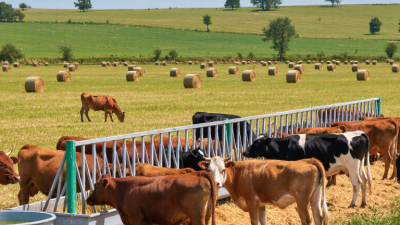
Outdoor birds use hopper, tube, or platform feeders, each offering different access. Small ports may suit finches; broad trays can accommodate larger birds but expose food to rain. Livestock feeders need sturdy construction and enough space for several animals to eat without crowding. Hay racks keep forage off the ground, though they still need regular cleaning. For fish, measured dispensers can release pellets on a schedule, but they cannot judge appetite or water conditions.
Some animals forage naturally, so puzzle feeders can add activity and slow access to food. Rodents may need chew-resistant containers, while rabbits benefit from having suitable hay available. Check for sharp edges, unstable bases, and damp or stale food. Clean feeders according to their material and the food they hold. Small details matter. A feeder is not a care plan, and one design rarely fits every animal; watching how an animal actually eats may reveal a better choice.
Animal feeders can be classified by their structure and by how they deliver food. Troughs and open trays give animals broad access, making them useful where several animals eat together. Hopper feeders store dry feed and release more as animals consume it. Tube feeders suit smaller portions, while hanging designs keep feed off damp ground. Simple, but not always tidy.
Feeding method offers another useful distinction. Gravity-fed models provide a steady supply, whereas portion-controlled feeders release measured amounts at set times. Some designs support free-choice feeding; others require staff to refill or operate them by hand. The right method depends on feed texture, animal size, group behavior, and cleaning routines. For example, fine feed may bridge inside a narrow outlet, while rain can spoil exposed feed. Small details count.
Buyers should check whether animals can reach the feeding point without crowding or sharp edges. Removable trays and smooth interior corners usually make cleaning easier. A covered hopper may reduce exposure, but it still needs regular inspection. In practice, a feeder that saves refill time can create more waste if its opening is too generous. There is no perfect design for every setting. Observe how animals actually eat, then adjust placement or access when needed.
Top 10 Types of Animal Feeders for Buyers
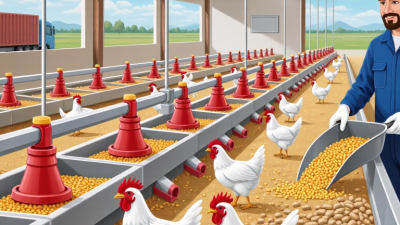
The right feeder depends on animal size, feed form, and housing. Trough feeders suit groups eating wet or loose feed. Bunk feeders offer a longer edge for larger stock. Hopper feeders store dry feed and refill by gravity. Pan feeders work for young poultry. Tube feeders suit smaller flocks. Creep feeders give young animals access while restricting larger ones. Hay racks reduce trampling. Mineral feeders hold blocks or loose supplements. Auger lines distribute feed along poultry houses. Timed portion feeders dispense measured amounts. Fit matters.
Compare capacity, cleaning access, weather exposure, and how easily dominant animals can push others aside. A narrow lip may waste less feed, but it can also frustrate larger animals. Buyers often underestimate cleaning time.
Tips: Match openings to the smallest animal using the feeder. Check for sharp edges, stable mounting, and easy drainage. Test one unit before outfitting a whole pen.
Animal feeders vary in shape, but material often determines how they perform outdoors. Galvanized steel resists dents and suits heavy trough or hopper feeders, though scratched coatings can rust. Stainless steel handles frequent washing well, but it costs more and may be heavier to move. Plastic tube and gravity feeders are light and easy to clean. In strong sun, however, some plastics can become brittle. Wooden platform feeders blend into gardens and offer open access, yet damp corners need regular attention. Small details matter.
Capacity affects how often a feeder needs filling and how much feed stays exposed. A compact tube feeder works for limited spaces, while a large hopper can hold several days’ supply. That sounds convenient, but stale or damp feed may collect at the bottom. Check tray edges, seams, and drainage holes during cleaning. Brush away caked material, then let parts dry fully before refilling. Removable trays make this easier. Hanging feeders need secure fittings; ground-level feeders need stable bases that do not tip in wind. I would not choose capacity by size alone. A feeder that is too large can make routine inspection easier to postpone.
Choose a feeder around the animal’s size, feeding style, and daily ration. A shallow tray suits small animals, while a sturdy trough or hay rack better serves many livestock. Gravity feeders reduce refill trips, but damp feed can cake inside them. Automatic models save labor, though they need reliable power and regular checks. Simple matters.
The setting changes the calculation. Outdoors, look for stable legs, weather-resistant materials, and openings that shed rain. In a shared pen, check that smaller animals can reach the feed without being pushed aside. Mottet and colleagues’ 2017 analysis in Global Food Security estimated that livestock consume about six billion tonnes of feed dry matter yearly; 86% is not currently eaten by people. That scale is a reminder to match feeder capacity to actual ration needs, rather than buying the largest model available.
Set a budget that includes cleaning, repairs, and wasted feed—not only the purchase price. Inspect hinges, seams, and sharp edges; awkward corners can make routine washing frustrating. A low-cost feeder may be sensible in a dry shed, but less so in a wet, heavily used yard. One detail is easy to miss: observe the animals eating before deciding. A feeder that looks efficient on paper may not suit their habits.